
Introduce the "Tiranga" of the insect world and Prof. Sheode’s 12-year journey.
This article explores the intersection of nature and national identity through the discovery of the 'Trivarna Teja', a unique grasshopper found in the heart of India. Documented by naturalist Prof. Alok Sheode, this tiny insect serves as a living tribute to the Indian National Flag, appearing in vibrant saffron, white, and green during its brief youth.
12/31/20252 min read

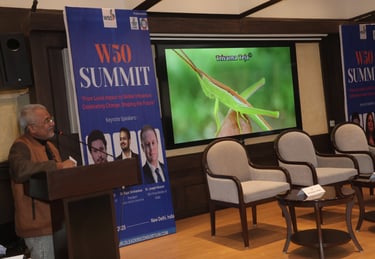
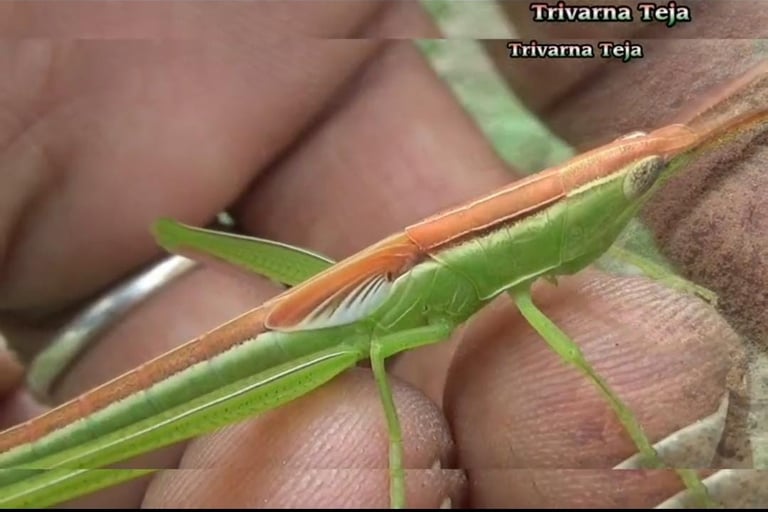
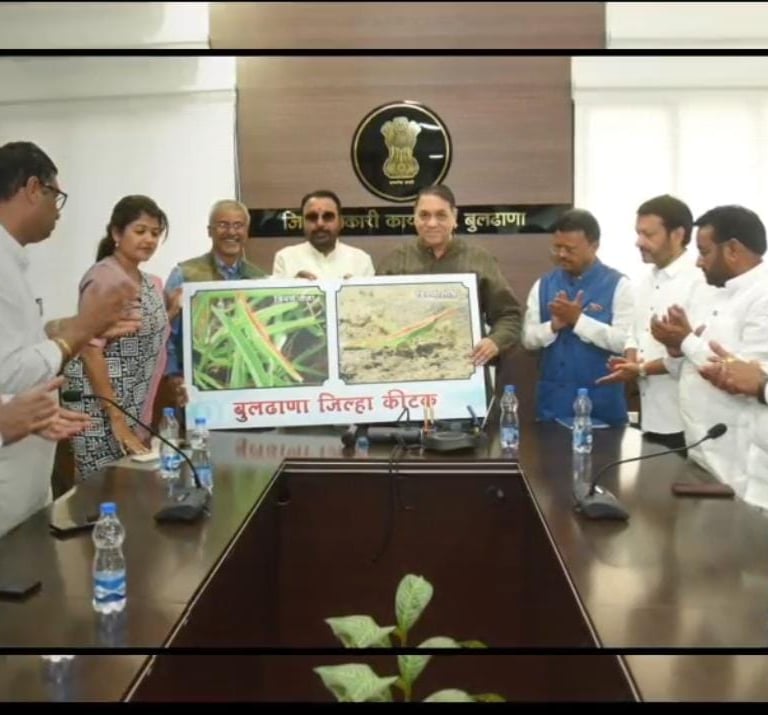
This remarkable grasshopper, which measures just three centimeters in size, is typically found in the hilly regions of Eurasia but has been meticulously documented by naturalist Prof. Alok Sheode in the forests of Buldhana, Maharashtra, for over twelve years. Fondly named ‘Trivarna Teja,’ the insect displays a magnificent color pattern that mirrors the Indian National Flag, though this "Tiranga" appearance is a fleeting phenomenon visible only during the early nymphal stage for a brief window of ten to fifteen days. Because this vibrant phase is strictly tied to the life cycle, researchers and photographers must catch the phase at the right time during the rainy season or wait until the following year. For Prof. Alok Sheode, the presence of such a creature highlights that India is a bountiful land of divinity and diversity where even the smallest insect can exhibit the colors of the national flag.
Discovery of the 'Trivarna Teja' Grasshopper
Discoverer: The insect was documented by Prof. Alok Sheode, a naturalist and photographer from Buldhana, Maharashtra.
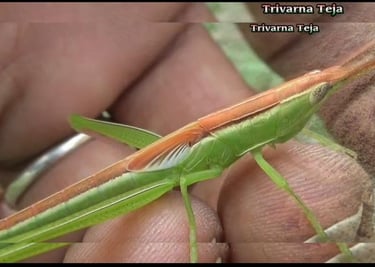
Unique Appearance: This specific grasshopper features a color pattern that closely resembles the Indian National Flag, the Tiranga.
Scientific Name/Nickname: Prof. Sheode has affectionately named this grasshopper 'Trivarna Teja'.
Physical Characteristics and Habitat
Size: The insect is small, measuring only three centimeters in length.
Origin: This species is typically found in the hilly regions of Eurasia.
Local Habitat: In India, it has been observed for over twelve years in the hilly forest regions of Buldhana in Vidarbha.
Life Cycle and Observation
The Nymphal Stage: The distinctive tricolor pattern is only visible during the early nymphal stage.
Time Sensitivity: This vibrant color phase lasts for a very short window of only ten to fifteen days.
Seasonality: Due to its brief appearance, the insect must be spotted at the exact right time during the rainy season, or the opportunity is lost until the following year.

Get in touch
MAWF
M-Aashiyana Welfare Foundation
More
9266535691 | 9211233635
office@m-aashiyana.com